
- Over 1,500 BBC staff and celebrities accused the broadcaster of pro-Israel bias in Gaza coverage through an open letter to Director-General Tim Davie.
- The letter claims Palestinian voices were underrepresented, references to Israel’s alleged violations were suppressed, and staff were discouraged from challenging official narratives.
- An anonymous journalist alleged editors removed terms like “siege” and “occupation,” framing coverage as “pro-Israel propaganda.”
- The BBC denied bias, stating that it strives for fair and accurate reporting and regularly reviews its editorial guidelines.
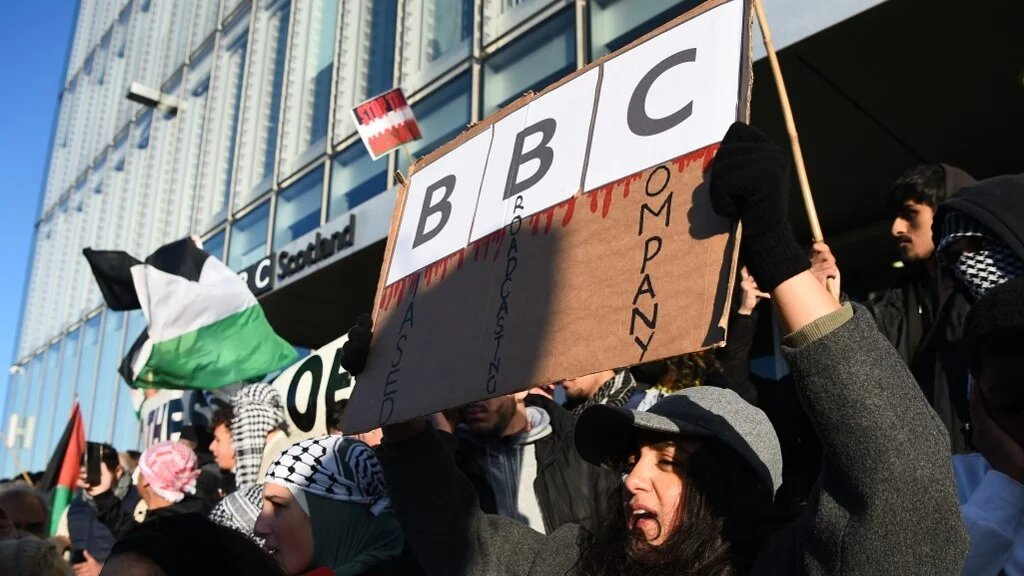
London, 8 July 2025 — More than 1,500 current and former BBC staff, alongside high-profile actors including Charles Dance and Miriam Margolyes, have accused the broadcaster of displaying a pro-Israel bias in its reporting on the Gaza conflict, according to an open letter sent to BBC Director-General Tim Davie.
The letter, published Monday, claims the BBC has “failed its audience” by omitting critical context around the humanitarian crisis in Gaza, underrepresenting Palestinian voices, and disproportionately focusing on Israeli suffering.
“Many of us feel complicit in a failure to accurately and fairly report on a genocide,” the signatories wrote.
Among the concerns raised were editorial decisions that allegedly suppressed key details, including references to Israel’s alleged violations of international law, and internal practices that discouraged staff from questioning official narratives.
One anonymous BBC journalist told columnist Owen Jones that staff were “forced to do pro-Israel propaganda,” claiming senior editors removed terms such as “siege” and “occupation” from scripts.
The signatories say they fear for journalistic integrity at the UK’s public broadcaster, stating: “The BBC’s refusal to name this genocide — even while covering its catastrophic consequences — has undermined the principles of journalism.”
This is the most high-profile internal revolt the BBC has faced in recent years, with staff warning that the broadcaster’s reputation is being eroded by perceived editorial censorship and institutional bias.
In response, a BBC spokesperson said the broadcaster stands by its coverage and maintains a commitment to impartiality. “We always seek to report fairly and accurately,” the statement read, adding that editorial guidelines are regularly reviewed to ensure balanced reporting.
The open letter comes amid intensifying global scrutiny of media narratives around the Israel-Gaza war, with advocacy groups accusing several Western outlets of perpetuating biased coverage that overlooks the scale of Palestinian civilian casualties and humanitarian suffering.
The BBC has not publicly responded to the individual allegations made by staff, but has stated that it takes all concerns seriously.