Vanessa Tobias is an investigative journalist focusing on feminist issues
Sean “Diddy” Combs was acquitted of the most serious charges against him: racketeering conspiracy and two counts of sex trafficking involving Cassie Ventura and a woman identified as “Jane.” For women and survivors worldwide, the verdict is a collective gut punch from a system that consumes our pain as content, questions our credibility, and protects men accused of harming us, especially when those men are wealthy, powerful, and celebrated.
No woman is surprised. We have seen this story before. Different names, same ending.
Combs and his supporters reached for the oldest tracks on Patriarchy’s Greatest Hits: deny the abuse, deflect responsibility, discredit the women, and let the Rich and Powerful Men Protection Program handle the rest. The charges that could have sent him to prison for life were dropped. Survivors received the same brutal message: violence against women isn’t disqualifying. For a powerful man, it is barely inconvenient. If history is any indication, he won’t just walk away. He might march straight into the White House.
The jury found that prosecutors hadn’t proved beyond a reasonable doubt that Combs operated a criminal enterprise or used the coercion required to establish sex trafficking. It convicted him only on two counts of transporting people to engage in prostitution. In October 2025, he was sentenced to 50 months in federal prison, fined $500,000 and ordered to serve five years under supervision following his release.
That sentence represents some accountability but not for the most serious allegations. The public saw footage of Combs attacking Ventura in a hotel corridor. It heard weeks of testimony describing violence, fear, and control. Then it watched those images and accounts circulate on social media, stripped of context, repackaged as spectacle, and weaponised by the manosphere against the women who came forward.
Their trauma became entertainment. His violence became a debate. In today’s world, that tracks.
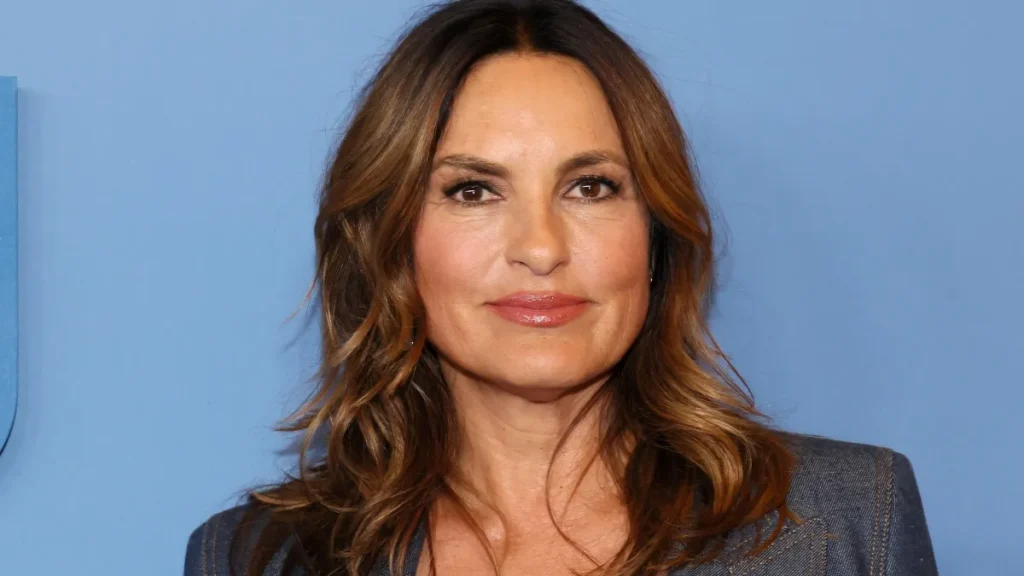
In response to the verdict, many celebrities have spoken out in disgust over the trial’s outcome. Actor Mariska Hargitay reshared a slide from Glamour magazine that reads,
“Combs joins a long line of powerful and famous men who have allegedly engaged in abuse, yet faced minimal consequences.”
Actor Evan Rachel Wood, who alleged in 2021 that her ex-partner Marilyn Manson “horrifically abused her for years,” released a statement that said, “There is no consequence in a domestic violence relationship. Period. Once the threat of violence is there, you comply. It is self-preservation and survival. It is not freely or willingly given. It is forced and coerced out of you. We clearly have a long way to go in our understanding of this.”
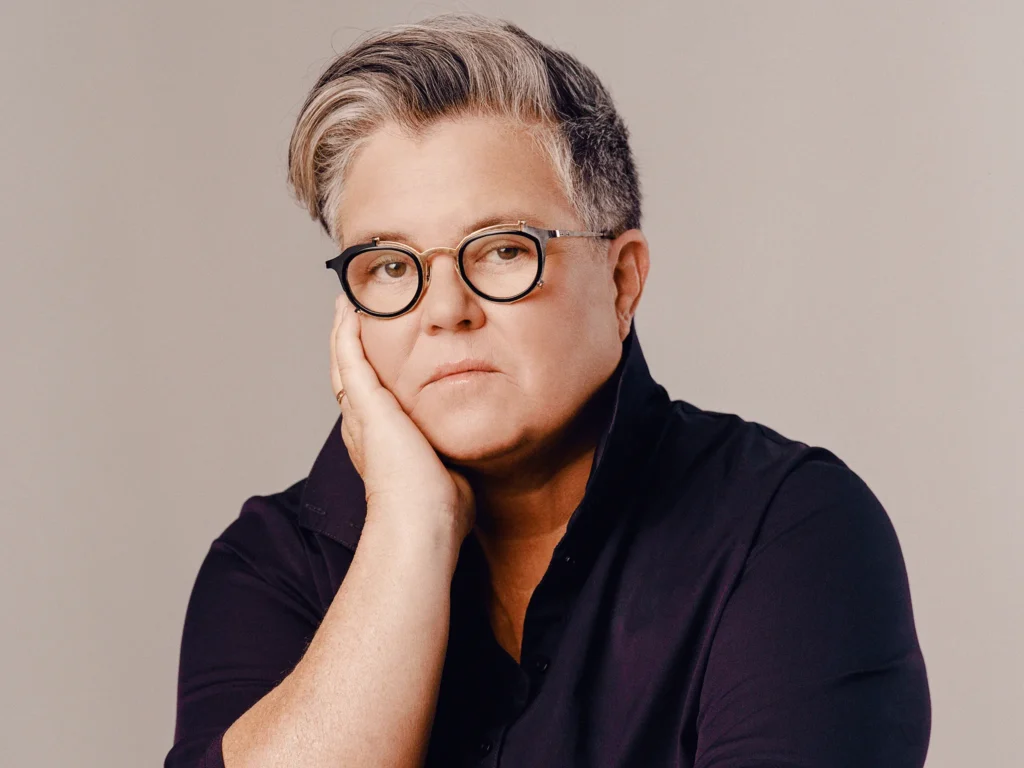
Talk show host and comedian Rosie O’donnell said, “I guess a jury just never wants to believe a woman stays because of power and coercion – wow – they just think women stay because what? Money – fame – they love the abuse – what a f–king joke – that decision got me angry”.
Celebrities such as Kesha, Audrey O’day, and Christina Ricci publicly supported Cassie Ventura. Most public condemnations of the verdict have come from women. Colour me surprised.
Mariska Hargitay
Image – Actors Evan Rachel Wood, Mariska Hargitay and Rosie O’Donnell all spoke out about the P Diddy verdict
Despite his acquittals, Combs faces over 50 civil lawsuits alleging sexual misconduct. Women worldwide doubt any consequences will follow. Why would we? This is no outlier. It is the standard.
For decades, more than sixty women accused Bill Cosby of sexual misconduct. Their stories showed a pattern of abuse stretching back generations. Today, the comedian is a free man. Convicted in 2018 of drugging and sexually assaulting Andrea Constand, Cosby was sentenced to up to ten years in prison. Three years later, the conviction was overturned on a procedural technicality. He walked out of prison not exonerated, but free.
Bill Cosby Image Credit – Photograph by Eduardo Munoz Alvarez / AFP / Getty
Civil lawsuits still follow him, including a high-profile case in Nevada, and his financial troubles continue. For many accusers, the damage is done: a man they say stole their dignity avoids lasting consequences again.
This loop continues with other high-profile men. Don’t get us started on Donald Trump. At least 25 women have alleged sexual misconduct ranging from harassment to rape. Two civil juries have already held him liable—awarding writer E. Jean Carroll $5 million in 2023 and another $83.3 million in 2024. Both verdicts are now pending appeal.
Trump’s only criminal conviction so far is thirty-four felony counts for falsifying business records in the “hush-money” case, with no prison time, fines, or penalties. It must be a real hoot to receive unconditional discharge under presidential immunity.
Image Credit – (AP: Carolyn Kaster)
Meanwhile, his name remains linked to several legal battles: New York fraud judgments, election interference, and handling classified documents. Despite these allegations, Trump not only remains free, but sits at the helm of the “most powerful nation” in the free world.
Australia is not immune. Again and again, allegations of violence against women by powerful men end without convictions or completed trials. Former NRL star Jarryd Hayne, once celebrated as a sporting icon, had his sexual assault convictions quashed in 2024 before prosecutors withdrew the charges and ruled out a fourth trial. Actor Craig McLachlan was acquitted in 2020 of all assault and indecent assault charges arising from alleged conduct during a 2014 theatre production.
Australian Football Hall of Famer Carl Ditterich was due to stand trial over allegations he sexually assaulted a 15-year-old girl in 1985. Prosecutors discontinued the case in January 2025 after determining there were no reasonable prospects of conviction. Former Socceroo Ruon Tongyik was acquitted of aggravated sexual assault in 2025. Broadcaster Alan Jones, once one of the most influential figures in Australian media, now faces multiple historical sex offence charges. He has pleaded not guilty, and the proceedings continue.
From Hollywood to Washington, from the NRL to the AFL, the names change, but the pattern remains. Allegations emerge. Trials collapse, charges disappear, and convictions are overturned while power and celebrity survive largely intact. For survivors, the message is devastatingly clear: justice may be promised to everyone, but fame, wealth and influence can determine who is forced to face it.
Only a fraction of sexual assaults in Australia result in conviction. Most occur in private without witnesses or physical evidence. Survivors’ accounts are open to scrutiny. More than nine in ten women sexually assaulted by a male never report their most recent experience to police. For those who do, cases fall away at every stage, from the first police interview to charging, prosecution, and trial. The burden on survivors is enormous. The chance of the person who assaulted them being held criminally accountable is devastatingly small.
Evidentiary barriers tell only part of the story. Victim-blaming remains embedded in public attitudes and the legal process. Survivors are questioned about what they wore, how much they drank, why they went somewhere, why they stayed, why they did not fight back, and why they waited to report. Every response is examined for inconsistency, while the accused’s conduct doesn’t count. Misogyny and patriarchal power deepen this imbalance, especially when the accused has wealth, status, or influence. Too often the courtroom becomes a place where the survivor, not the accused, is put on trial.
The same pattern extends across Australia, the United States, the United Kingdom, and Canada. Different jurisdictions and legal systems, but the barriers remain familiar: assaults committed in private, entrenched myths about how a “real” victim should behave, punishing legal scrutiny, and case attrition at every stage. Across borders, survivors receive the same message: reporting may cost them everything while accountability is far from guaranteed.
Credit : Bryan Steffy/WireImage; Madison McGaw/BFA.com/Shutterstock
These cases remind us that the justice system is tilted not only toward wealthy, powerful, and celebrated men, but toward men more broadly. Wealth and influence don’t guarantee acquittal, but they provide access to formidable legal teams, public-relations machinery, and resources most defendants cannot access. When accountability arrives, it can be partial, delayed, or narrow. Broadcast directly to our phones, these high-profile cases become public reminders of what countless survivors already know: evidence does not speak for itself, and justice is unlikely.
Federal prosecutors presented weeks of testimony alleging that Sean “Diddy” Combs used violence, threats, blackmail, and his immense power to coerce women into sexual encounters. The jury also saw surveillance footage of Combs physically attacking Cassie Ventura. The jury also acquitted him of racketeering conspiracy and sex trafficking after finding prosecutors hadn’t proved the criminal enterprise or coercion required for those offences beyond a reasonable doubt. His defence acknowledged domestic violence but portrayed the sexual relationships as consensual and the women as willing participants. Combs was convicted on two prostitution-related charges and later sentenced to 50 months in prison but escaped conviction for the offences carrying the gravest allegations and penalties.
That distinction matters. The verdict was not just a legal outcome. It reflects a culture that still struggles to recognise coercion within intimate relationships. Abuse is separated from sex, violence from consent, as though a woman can be beaten, controlled, and frightened while remaining free to choose. When the accused has wealth, status, and influence, that contradiction is easier to defend.
For survivors, the message is chilling: come forward at great personal risk, endure having your choices and credibility dissected in public, and understand that even extensive testimony and documented violence probably won’t lead to accountability for the most serious alleged crimes. The system delivered some justice in the Combs case, but not the sweeping reckoning the evidence demanded. History has taught survivors to expect that. We remain unsurprised.
Have you lived through something you need to understand? Is there an experience, injustice or truth you are ready to put into words?
The Mantrums welcomes first-person stories from women and gender-diverse people. You can submit under your own name, request a pseudonym, or talk with us before deciding if publication feels right.
Submitting your story does not guarantee publication. We will never publish your work or identifying information without first discussing it with you.