
By Vanessa Tobias – Investigative journalist focused on gender inequality, gender-based violence and holding power to account.
Content warning: This article discusses domestic violence and sexual abuse. Please take care while reading. Support services and contact numbers are listed below.
On 15 June, Mikaela Phillips, a self-described domestic violence advocate behind the Clarity In Chaos TikTok account, publicly accused me, dear reader, of coercing women into making false allegations of rape for advantages in family court proceedings. According to a source I consider highly reliable (myself), when it comes to the wild fuckery people say about me online, I remain an unbothered queen. But this was serious. Few accusations are more harmful than claims involving sexual violence.
Getting called out online bruises the ego. But being publicly accused of inventing rape allegations is a different kind of blow. It doesn’t just challenge my ethics and values as a journalist, domestic violence advocate or human being. It paints me as a sinister architect of the violence I’ve spent years fighting against. It changes my advocacy for survivors into something dark, twisted and gross, used for some sort of evil personal gain.
Defamation law has a serious-harm threshold because accusations like this have to have consequences beyond hurt pride. They damage reputations, derail careers and destroy relationships long after the online conversation ends. When dishonest accusations seriously harm reputations, people need legal recourse. This wasn’t a misunderstanding or careless exaggeration. It was a grotesque accusation presented as fact to a large following of over twenty thousand people.
To support this claim, Phillips presented two screenshots as her “evidence”. I’m not accusing her of fabricating these messages. But I am pointing out two separate authors share an extraordinarily similar writing style, using the same grammatical quirks, sentence structure, and unique mannerisms. The messages also appear to have been sent and received on the same device. Fascinating stuff. I’ll let you draw your own conclusions.
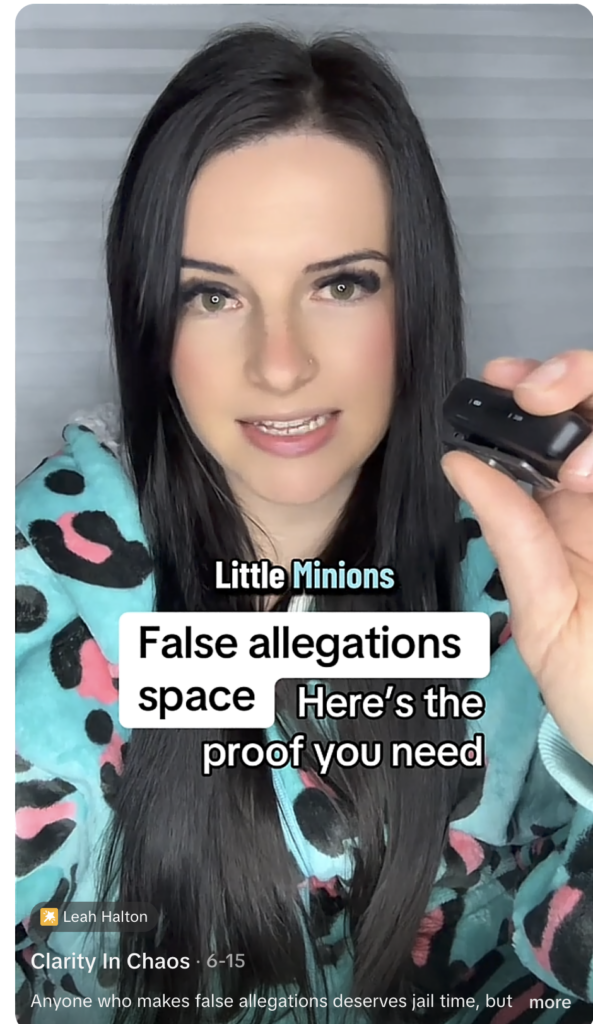
Image credit from Mikaela Phillips’ public TikTok Account
When asked if she verified the claims before broadcasting them, Phillips said she didn’t need to fact-check because the messages were “sent” to her. In public responses, she admits she didn’t attempt to contact me or verify the identities of the people behind the screenshots. She didn’t check the credibility of the allegations or give me a chance to respond before publishing serious claims about me as fact. For the rest of the class, being sent an allegation is not the same as proving it true. If we believe she was sent them at all.
Anyway, I digress. I am a survivor of rape. I know the cost of admitting that out loud. I know what it is to have the worst thing someone did to you turned into an interrogation of who you are. To have your memories dissected. Your behaviour scrutinised. Your credibility questioned. And your character dragged through the dirt. Women who disclose rape are expected to endure so much to prove we are worthy of belief. Subject the accused to the same scrutiny? That’s where we draw the line. That’s where “fairness” demands restraint.
In criminal proceedings, a jury can be kept from hearing about an accused man’s alleged or documented history of sexual violence because of the risk of unfair prejudice. Whether the jury hears that other women have accused him depends on the rules of evidence. But putting the woman who says she was raped under a microscope is not just acceptable; it is necessary to the judicial process. Her credibility must withstand every challenge. His must be protected from unfair prejudice at all costs.
For me, there will be no courtroom moment. No accountability. No justice. There is no closure for me today, or any day I walk this earth. I am not alone. Survivors of sexual violence must fight to be heard at every stage of the system that scrutinises us relentlessly, demands we prove the harm repeatedly, and in most cases sends us home without justice.
As a journalist and domestic violence advocate, I have spent years speaking my truth publicly and supporting other survivors as they share theirs. Every day, I listen to women’s stories, help them access support and sit with them through some of their darkest moments. Through their experiences and my own, I know all too well what violence leaves behind: the fear, grief, anger and shame that lives long after the assault. Trauma seeps into every fibre of who we are.
I have put my face, name and reputation behind this work because I believe something that should never be controversial: violence against women is wrong. It should be the easiest fucking position in the world to take. Yet so many people would rather interrogate the women speaking about violence than confront the violence done to them. I know that hellscape all too well, because speaking out against violence means I’m subjected to it again and again.
I have been harassed, stalked and sent rape and death threats. My address has been doxxed, and for a time, a dead snake appeared on my car every few weeks until I had to move. All this to say, I don’t do this work from a safe distance. I live it, and I carry it with me every day. And as I support other survivors through their healing, I am still navigating my own.
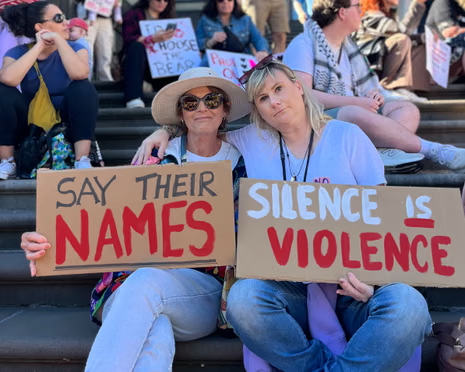
Image Credit – The Guardian – Protestors on the steps of Parliament House in Melbourne call for an end to violence against women and girls. Photograph: Samantha Lock/A
Time and again, I have seen the damage caused when violence is trivialised, dismissed or exploited to serve someone else’s agenda—usually a man’s. When personal grievances, ideology or online spectacle take over, the people who experienced that violence are pushed aside. Their trauma becomes content. Their pain becomes ammunition. And their voices become the least important part of their own stories.
Survivors deserve better, so does the public, and so does the pursuit of justice. When dishonest rhetoric about “false allegations” is amplified, the harm reaches far beyond me. It affects survivors who have spoken up and those still deciding if it’s safe to share their stories. Every time we target someone who comes forward, we prove why it’s dangerous for another survivor to do the same.
Claims women are coached or encouraged to make false allegations don’t exist in a vacuum. They reinforce the same tired, recycled and damaging myths about sexual violence: victims are inherently suspect. Disclosures should be met with scepticism rather than compassion. And women routinely fabricate allegations despite overwhelming evidence to the contrary.
Sexual violence remains one of the most under-reported crimes in Australia. According to the ABS Personal Safety Survey, about nine out of ten women sexually assaulted by a man don’t report it. Studies suggest this is due to shame, fear of not being believed, concerns about the justice system, or feeling unable to handle the trauma of dealing with the police.
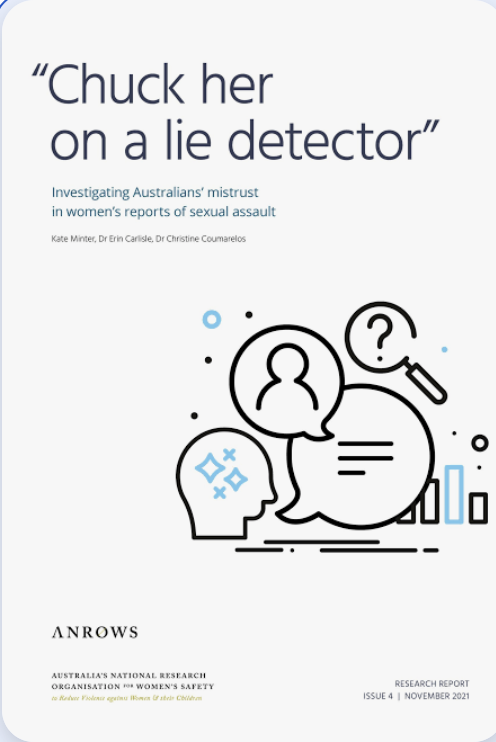
Wider social attitudes strengthen these barriers. In the ANROWS report “Chuck her on a lie detector”: Investigating Australians’ Mistrust in Women’s Reports of Sexual Assault, lead author Dr Kate Minter found many Australians doubt women’s disclosures by default. People often expect women to provide unrealistic proof, while the accused face far less scrutiny. Rape myths persist, and many wrongly believe false allegations are common. Evidence shows they are incredibly rare.
Professor Julia Quilter, a leading expert on sexual assault law in Australia, argues even after years of legal reform, rape myths still affect criminal trials. Her research shows complainants are often judged by old stereotypes about how a “real victim” should act, such as reporting immediately, fighting back, or behaving a certain way after the assault. She found that digital evidence like text messages and social media posts can worsen these misconceptions if people view them through rape myths instead of understanding trauma responses.
Most public discussions focus on fear of false allegations. Decades of research show false reports of sexual assault are rare, usually between 2 and 10 per cent, similar to rates for other serious crimes. Experts warn that just because an allegation can’t be proven doesn’t mean it’s false. Some cases can’t move forward because of delayed reporting, trauma-related memory gaps, insufficient evidence, or strict legal standards for prosecution. None of these reasons means the assault didn’t happen.
The real problem for the justice system is not an epidemic of false accusations. It is the many victims who lie awake at night, reliving their trauma but staying silent because of fear that no one will believe them. That’s why allegations like the ones made against me matter. They reinforce the dangerous idea that sexual assault claims are made up. And those who support victims can’t be trusted.
Mikaela Phillips speaks publicly about surviving domestic violence. On the same social media account, she describes abuse and details her belief that her ex-abuser went on to murder a woman. She also gives considerable space to claims about false allegations and concerns that men are accused of abuse or sexual violence without cause. She explicitly addresses the “false allegations” crowd in some videos and has made numerous others supporting men accused of violence.
I struggle to reconcile this. How can someone speak about the difficulty of surviving abuse while giving so much airtime to narratives used to discredit those who do the same? But that doesn’t mean I don’t believe it occurred. Others have used doubts about parts of her account to dismiss her experiences of abuse altogether. I won’t do that.
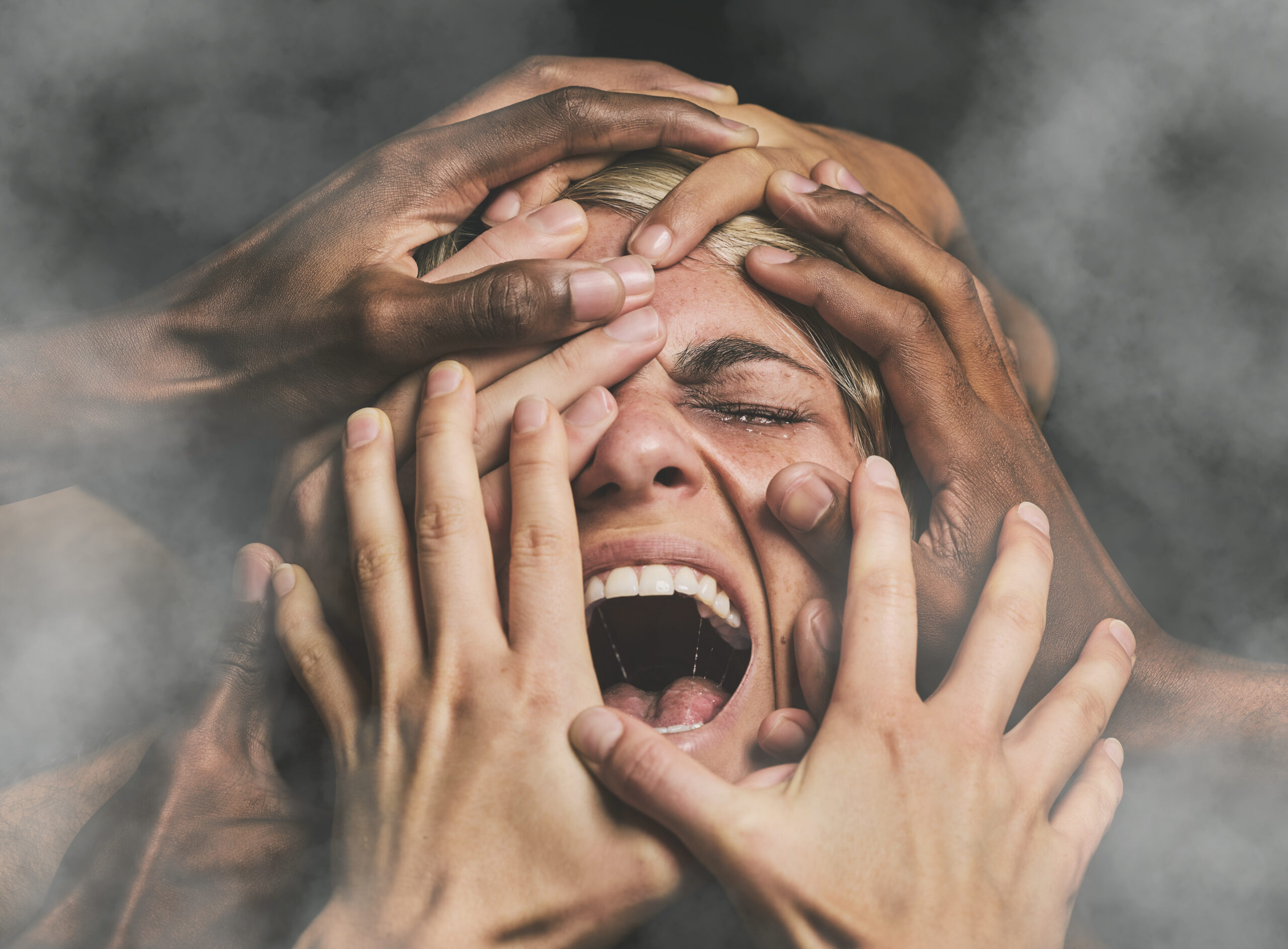
Trauma doesn’t follow a script. Survivors don’t have to speak or behave in ways strangers find convincing to deserve care. There is no perfect victim. The expectation that someone who has been raped should then perform their pain in a way that appeases everyone else is gross. Cry, but not too much. Be angry, but not so angry that you become unlikeable. Speak out, but don’t make anyone uncomfortable. Try to get on with your life, but enjoying any part of it means you couldn’t have been that traumatised in the first place.
Every response becomes another thing to scrutinise. Another excuse to doubt. Surviving the violence shouldn’t come with the added burden of convincing strangers that it hurt enough. I don’t demand Mikaela become a perfect victim before I take her experiences seriously. I can believe what she says happened to her and be clear about what did not happen with me.
I did not and would never coerce women into making false rape allegations. Women who disclose sexual violence need respect, support and care. Not a puppet master in the background feeding them lines. Their stories are their own. So are their decisions about whether, when and how to speak. Suggesting I put words in their mouths denies them that agency after someone has already violated their right to decide what happens to their bodies.
Honestly, she can fuck right off for that. Women already live with more painful truths than anyone should have to carry. The suggestion that we need to invent more is fucking absurd.
When I first saw her allegations, I was ready to go scorched earth. What stirred the rage I normally reserve for violent, misogynistic men was that she had turned a personal disagreement into an attack on the credibility of countless other survivors. I needed to challenge that more than defend myself. I sought legal advice, and my legal team prepared a Concerns Notice as a first step toward defamation proceedings. For weeks, we tried to contact Mikaela by email, phone and social media, but received no response.
Then came a familiar dilemma. Could I afford the time, money, and energy to defend my credibility, my character, who I am at my core? Months, perhaps years, spent trying to convince people I was worth believing? I was back confronting the questions so many other survivors, and I have already faced, when deciding whether to report violence in the first place. Can I afford this? Will anyone believe me? How much more of myself must I give up to prove the truth?
That is the freaking point. The harm done to us becomes ours to resolve, at our own expense. We are told to be the bigger person, protect our peace and move on with a smile, as though swallowing that harm is strength. I have decided to move on, but that choice isn’t noble, and it certainly wasn’t easy. It means accepting, once again, that I can’t pursue accountability as far as I want to because it would cost more than I can give.
I care deeply about the damage this narrative does to everyone. But every hour I spend defending myself is an hour I can’t spend supporting someone else or challenging the power structures that put us in this position. I have to decide where my energy can do the most good, while resenting having to make that choice at all. The patriarchy already takes so much from us. I don’t want to spend what I have left fighting another woman.
I hope Mikaela learns something from this, but I can explain the point to her; I can’t make her understand it. What I can do is refuse to let what she said change how I treat other women, including her. If Mikaela speaks about violence she has experienced, she deserves to be heard with care, just as any survivor does. I’ll keep making space for women to tell the truth about their lives, even after mine was questioned so publicly.
Mikaela was contacted multiple times and given an opportunity to respond to the matters raised in this article. She did not respond.