By Vanessa Tobias – Investigative journalist focused on gender inequality, gender-based violence and holding power to account.
Out of all the “celebrity” deaths I’ve experienced, Charlie Kirk’s assassination was the least predictable one to provoke the most visceral reaction. I felt an intense mix of disbelief, anxiety, and shock. A feeling that lingered for days. The last time I experienced something similar was hearing about Robin Williams’ tragic suicide. The contrast between them is obvious: Williams brought joy and love into the world; Kirk spread divisiveness and hate.
Intellectually, logically, and ethically, I opposed everything Charlie Kirk stood for. I’m not American, and I don’t follow U.S. politics closely. My only personal stake in his influence was being a person biologically born a woman. But from across the ocean, it’s evident Kirk wasn’t a truth-teller. He was entitled to free speech, yes. He wasn’t entitled to weaponise it: He was a sexist, racist, misogynist, transphobic, xenophobic, manipulative gaslighter who deliberately spread misinformation to an emotionally charged, millions-strong audience.
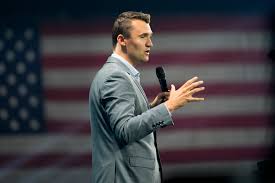
His followers treated his opinions as fact, perpetuating oppression and violence. But he maintained plausible deniability by citing “free speech,”. He knew harm would follow. Free speech doesn’t mean freedom from consequence. If he wore a bulletproof vest and voiced safety concerns before the event, as reported, he recognised the potential impact of his words.
I don’t condone violence, political or otherwise. I don’t believe the end justifies the means. However, suggesting this event was unpredictable ignores the core problem: polarising rhetoric and division inevitably lead to violent outcomes. While political activism, confrontation, and radicalisation aren’t new causes of such assassinations, no political leaning or ideology is immune to such consequences.
I’m not here to police reactions to Charlie Kirk’s death. It’s not my place to tell those he actively oppressed—women, people of colour, the differently-abled, the trans community, sexual assault survivors, gun violence victims, genocide casualties, non-religious communities, and others—that celebrating the death of their oppressor is invalid.
Marginalised people are forced to be the “bigger person,” to endure oppression with a smile. That said, one could also argue that violence is a tool of the oppressor, and celebrating a violent end to someone comes from a settler-colonial mindset as well. Different reactions are valid. Social commentary suggests he is just as divisive in death as he was in life.
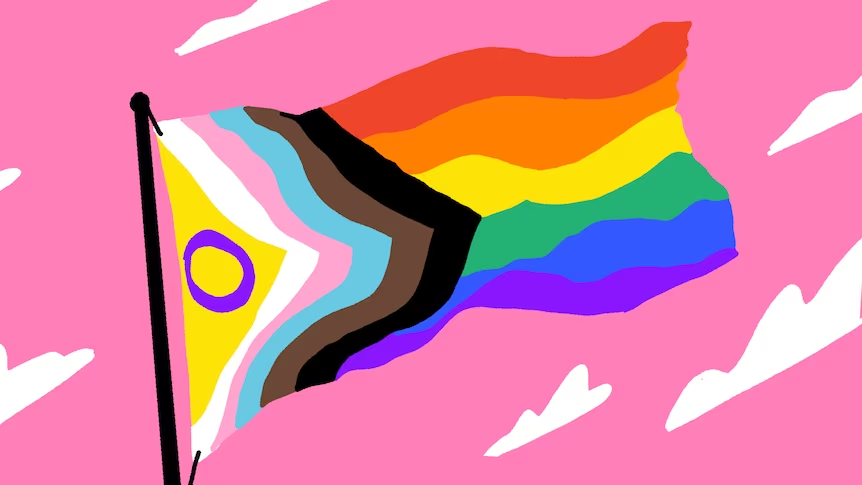
Image Credit – (ABC Everyday: Luke Tribe)
What I do challenge is the continual minimisation, justification, and excusing of his harm. While feeling grief or sadness over a person’s death is justifiable, portraying Charlie Kirk as a martyr is intellectually dishonest. If you grieve someone whose views aligned with yours, by all means, but own it! People shouldn’t be assassinated for their political beliefs. But where is that outrage when it comes to the hundreds of thousands of other political deaths every year?
The Trump administration’s response to Charlie Kirk’s assassination highlights this double standard. Through symbolic honours and public statements, they framed him as a champion of conservative and Christian values. Trump called him a “martyr for truth and freedom” and a “lasting symbol of patriotism.” There was no comparable response when Minnesota State Representative Melissa Hortman, a Democrat, was tragically assassinated at home on June 14, 2025. This disparity exposes a key partisan divide.
I take no joy in Charlie Kirk’s death, but the irony is hard to ignore. In April 2023, at a Turning Point USA Faith event, he said:
I think it’s worth to have a cost of, unfortunately, some gun deaths every single year so that we can have the Second Amendment to protect our other God-given rights. That is a prudent deal.” (Newsweek)
Social media summed up the sentiment: “I’m not ok with Charlie Kirk’s death, but Charlie Kirk would be ok with it.”
Authorities and media labelled his killer, Tyler Robinson, as a leftist, trans-chasing activist. Utah police released alleged texts between him and his “roommate/trans partner.” They conveyed planning, motives, and fears in a scripted, almost cinematic style, more like a wartime love letter than typical Gen Z communication. Even right-wing habitual misinformation spreader Candace Owens called them “clearly scripted” and argued all messages should include timestamps.
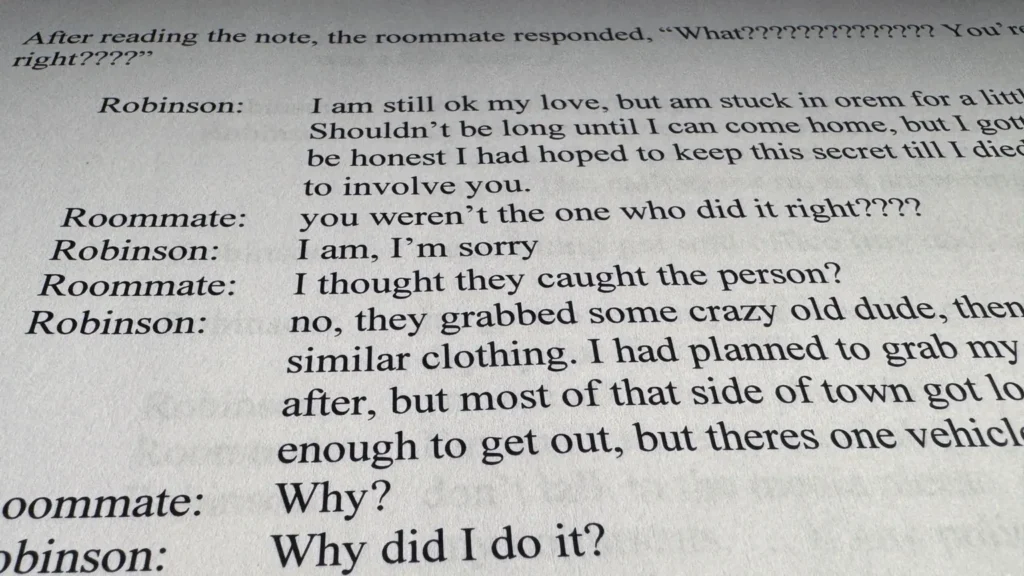
Image Credit – Reuters
Other discourse fuels theories that he was a “Groyper”. Part of the accelerationist, online neo-Nazi wing of the MAGA movement, centred around Nick Fuentes, described as the alt-right’s “Hitler Youth” leader. He’s the “your body, our choice” guy, so there’s that.

Groypers often mock MAGA figures like Don Jr. and Ben Shapiro, calling them “Conservative Inc.” This comes less from formal ties than from their aesthetics and online behaviour. The memes etched on bullet casings recovered after the assassination included phrases like “notices bulge OwO what’s this” or “if you read this you are gay LMAO”.
Image – Charlie Kirk, Nick Fuentes
Groypers merge cutting-edge internet culture with mob-style modern fascism. Their figureheads are not polished politicians but viral memes and inside jokes. The original creators disappear; what remains is a weaponised, repackaged ideology spreading effortlessly. Many of us aren’t chronically online enough to decode that rabbit hole, but Patrick Marlborough at Crikey explained it brilliantly for us millennials and boomers here.
My reaction to Charlie Kirk’s assassination was shaped not just by shock, but by recognition this violence represents the consequences of unchecked polarisation. A society consumed by rage and division, abetted by governmental irresponsibility and with easy access to weapons, inevitably produces political violence.
Not confined to the US, globally, extremism rises when governments stoke hostilities instead of fostering unity. Systemic failure to address division and polarisation breeds violence as an expected, not exceptional, outcome.
In the aftermath, President Trump signed an executive order labelling Antifa a “domestic terrorist organisation” and called it a “sick, dangerous, radical left disaster.” However, the evidence showed that Tyler Robinson leaned further right than left. This suggests the executive action isn’t to protect people, but an aggressive move to advance a narrative. It so perfectly illustrates how politicised responses exacerbate division rather than addressing the underlying causes.
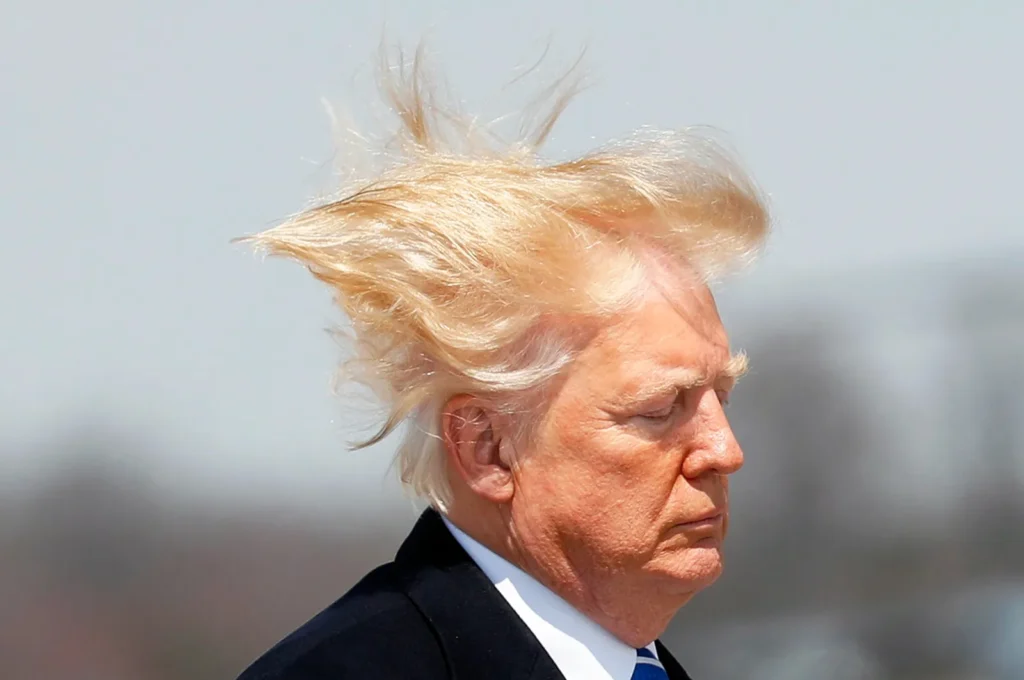
Image Credit – GQ
A rational response would confront systemic failures head-on: acknowledge the government’s role in sowing hate and division, and begin the urgent work of bridging the gap. And, just maybe, implement serious gun reform. But logic has never been this government’s strong suit. Until that changes, political violence will escalate, assassinations will cease to be outliers, and history will record this era for what it truly is.
Charlie Kirk’s assassination exposes a nation devouring itself through violence and division, a dynamic echoing beyond its borders. Yet we should not underestimate the people’s power. We must unite to demand accountability, push for meaningful reform, and refuse to accept division and violence as our new normal. Political assassinations are a grim feature of history, but so too is the people’s ability to rise and demand change. Kirk’s legacy could become a catalyst for positive action, rather than a continuation of the harm he inflicted during his life.