
By Vanessa Tobias – Investigative journalist focused on gender inequality, gender-based violence and holding power to account.
Content warning: This article discusses violence and sexual abuse. Please take care while reading. Support services and contact numbers are listed below.
“When one in ten men are shit, and the other nine do nothing, they might as well not fucking be there.”
Daniel Sloss passionately stated this in his 2019 stand-up special, X, during his closing monologue about sexual violence and men’s responsibility to intervene. His performance was a desperate call to arms for men to do more than not participate in rape culture. He demanded men speak up. Challenge their friends. And be proactive in preventing violence altogether.
He reflected on his own experience, alleging a friend raped another friend. He acknowledged he’d seen signs in his friend’s behaviour towards women but said and did nothing. It took someone he loves being harmed for him to recognise silence is complicity. The bar is in hell, but we’ll take it because these leftover scraps from “good men” are scraps we depend on for safety and survival.
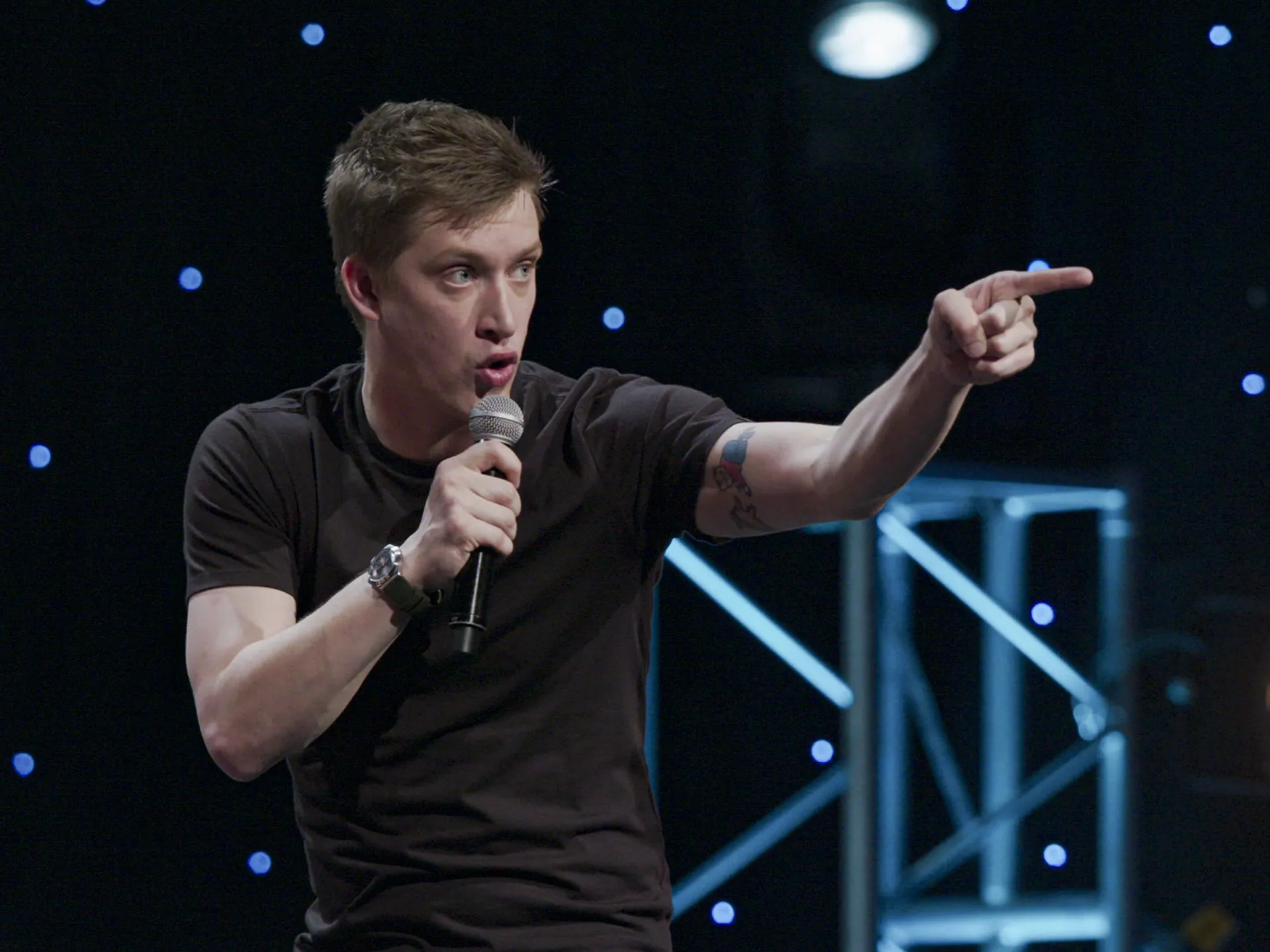
Daniel Sloss from his 2019 stand-up special, X
Being a woman is an inherently dangerous and violent experience. Reporting that violence to institutions meant to protect us is an inherently dangerous and violent experience. Daring to speak publicly about the violence we endure means we are subjected to that same violence over and over again.
We know this violence is disproportionately perpetrated by men. We know it’s a men’s issue. Change requires men to not just confront their indoctrination into patriarchy and misogyny, but to examine all the ways it manifests. It requires “good” men to call out their friends, challenge excused behaviour, and do the work without waiting for someone they love to be hurt first.
All women know these truths. And when women have public profiles, not only are they subjected to the same misogynistic tactics used to destroy credibility as the rest of us, but their trauma is used for entertainment. Mostly by other men, especially those with public profiles and in positions of power. Rebecca Goodwin knows this.
Rebecca Goodwin is a British adult content creator, businesswoman, and mother, known for putting her money where her mouth is and helping low-income families secure housing. She gained worldwide support after three men on a podcast attacked her credibility and made misogynistic jokes at her expense. She left. Rebecca stood up for herself on social media, calling out these chauvinist dude bros, and sparked a well-deserved storm of internet backlash.
In July 2025, she reported a rape to the police, later sharing her story publicly. Goodwin said she gave Derbyshire Police a seven-minute recording of the assault. After three weeks without an arrest, she used social media to call for action, a tactic Daniel Sloss also uses. She said the institution she turned to for help made her feel ignored and unprotected, and subjected to more harm.
I don’t doubt when Rebecca disclosed her rape publicly, she knew she’d be met with victim-blaming, slut-shaming, disbelief, and everything else from the rape culture playbook. We’re living in hell, and I hate it here. She knew she’d be the butt of jokes because women’s trauma is fucking hilarious. Men in the entertainment industry especially love to recycle the same tired rape myths and call it “comedy”. It’s easier to laugh about violence against women than to confront it or their own role in allowing it to continue.
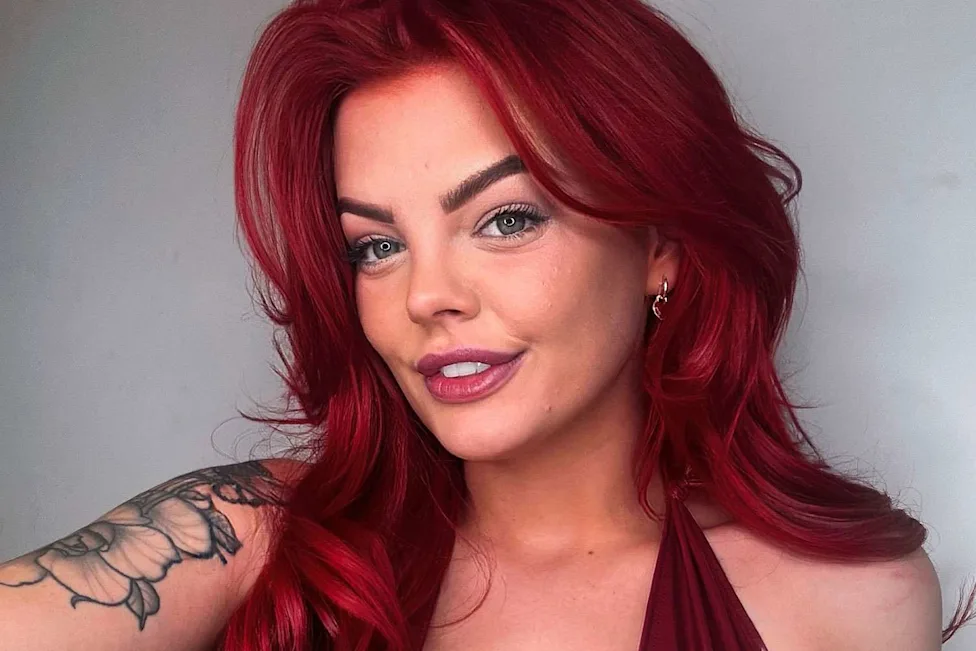
Image Credit – Rebecca Goodwin (@reelbeckymil1)
But I suspect the last person she’d expect to participate was a comedian who built trust with women by speaking out against it. When Daniel Sloss was presented with a real-life opportunity to call out rape culture and be the man he tells other men to be, he didn’t speak up. He laughed. Because once again, rape is sooooo funny. The same man who urged men to challenge their friends apparently couldn’t find the words when it was his turn.
Daniel Sloss appeared alongside Adam Rowe, Freddy Quinne and Vittorio Angelone in a roast episode of the Have A Word podcast. Addressing Quinne, Angelone said: “Freddy, if you’re here, who’s raping Rebecca Goodwin? That’s a joke. Of course it’s her dad.” According to Goodwin, the episode was recorded around September or October 2025, months after she reported her rape, and stayed behind a subscriber paywall for about a year.
Rebecca only learned of it recently, when clips were shared publicly. Angelone posted that specific “joke” on his own social media and promoted it to his audience, because of course. He then deleted it after the backlash. Do I need to point out this wasn’t just something said during a recording and regretted afterwards? The “joke” stayed in the episode. A year later, they chose this “joke” to promote the show. There were so many opportunities to reconsider it before Rebecca ever had to hear it. Instead, they wanted as many people as possible to see it.
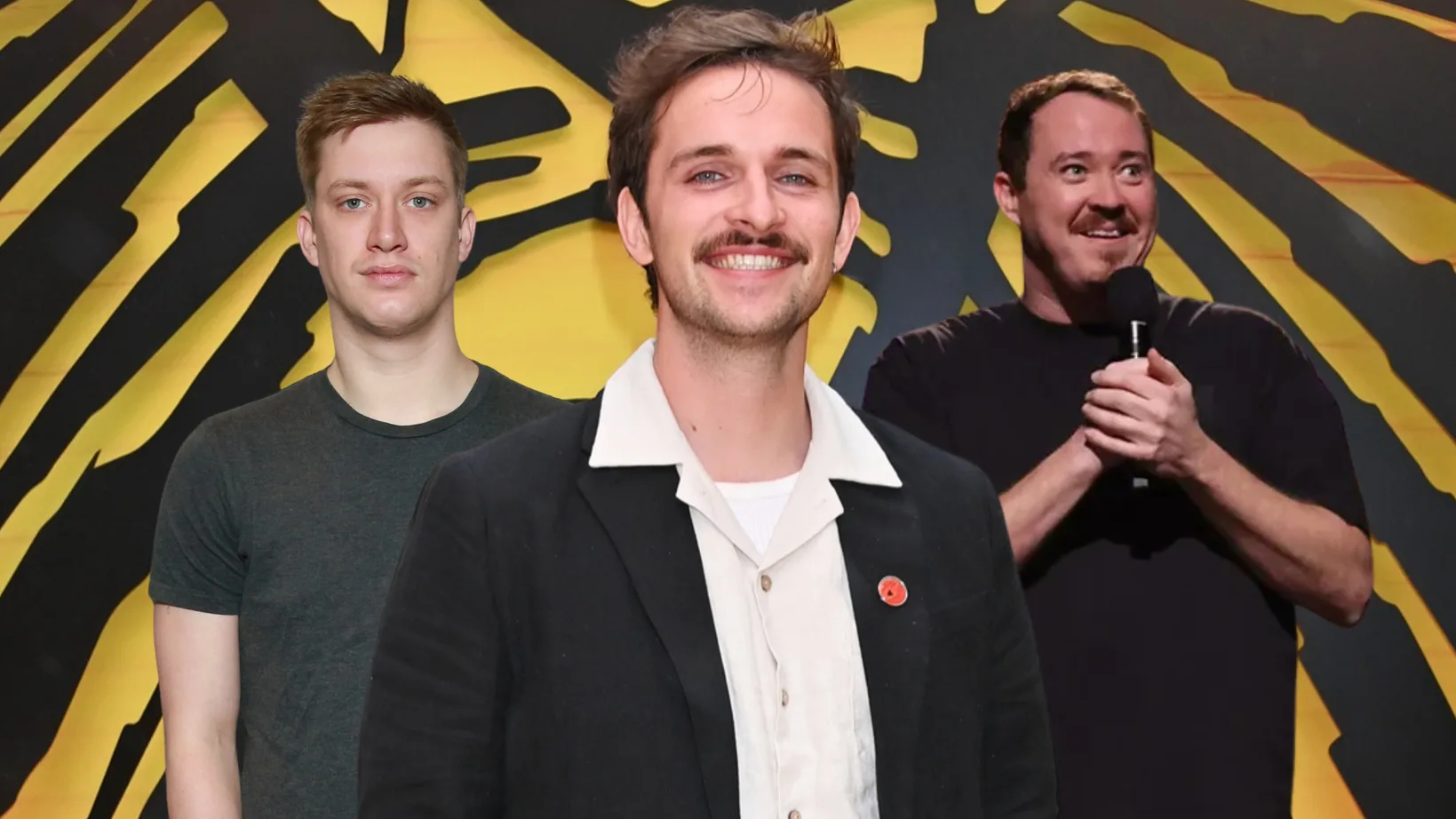
Image Credit – Marie Claire (When Will Comedy Stop Being A Weapon Against Women)
All four comedians have faced backlash for their part. But the criticism of Daniel Sloss carries more weight because of his public stance against rape culture. He explicitly tells men that not being a rapist isn’t enough; they need to challenge their friends, intervene, and do what they can to prevent it from happening at all. We trusted him because he appeared to understand the cost of men’s silence.
“So how do we fix that? How do society—how do we fix this? How do we stop this happening? It’s all I’ve been thinking about for the past year, over and over and over again. How do you fix this? How do you stop this? How do you prevent this from happening?
“The only thing I can think of is it has to involve us, and by us, I mean men. Now, to the women in the room, I know you know this. None of this is new information to you. You’ve lived your life, you’ve got your experiences, and your voices are more important and necessary in this discussion than mine. That being said, I would still like to lend my voice to the discussion.
“And to the men in the room, I want to make something crystal clear: this isn’t an attack. I’m not accusing you of anything. More important, I’m not accusing your friends of anything. I’m just trying to tell you my experience, and this is my experience: I knew this man for eight years, and he fucking did it. There are monsters amongst us, and they look like us!” – Daniel Sloss, X special.
Hey Daniel, this is an attack. I am accusing you. If there are monsters among us, what would you call a performative activist who profits from women’s trauma, then stays silent in the exact real-life scenario he urged other men to confront? Not just a monster that “looks” like you. It is you. When a man uses activism to present himself as safe and earns the trust of hundreds of thousands of women worldwide, that trust means something.
It means something when we support you and spend our money on you. And there’s something especially egregious about monetising our trauma and then doing nothing when given an opportunity to prevent further harm. This isn’t just failing us. This isn’t just a mistake. It’s a betrayal of the trust you asked us to place in you, built on your insistence that men must do better.
Women know our pain is entertaining. It’s on our screens, in our books, across our social media feeds. We can’t escape the violence or our trauma being turnt it into something to laugh at. Jokes reinforcing rape culture are nothing new. It’s the same recycled garbage we’ve heard a million times before, and the lack of originality is as offensive as the jokes themselves. They’re tired, not clever, and certainly never funny.
Shane Gillis recently came under fire for an SNL bit about women dressing “like whores” at the gym. When a comedian builds his following on misogyny, racism, homophobia, transphobia and ableism dressed up as comedy, colour us unsurprised. But when a comedian earns women’s trust by telling us he understands why this shit hurts, then laughs along anyway? That shit hits different.
All the comedians involved have apologised to Rebecca. She has said she acknowledges these but doesn’t accept them. Neither do I. Because it takes more than words, Daniel; you’ve said plenty of words about refusing to accept this behaviour. We trusted those words. Now you’re asking us to trust another set of words, an apology for failing to act on the first. What reason do you have to believe you’ll act differently this time?